From Specification to Sensation
For decades, software development has been a discipline of precision. We translate human needs into formal, unambiguous specifications that a computer can execute. But what if we could skip the formal specification? What if we could build software by describing a feeling, an aesthetic, a vibe? This is the core idea behind "Vibe Engineering."
It represents a paradigm shift from explicit logic to implicit intent. Instead of writing a detailed CSS file, you might ask an AI, "Make me a user interface that feels like a calm, misty morning." Instead of searching for a specific library, you might say, "Build me a small app to track my reading list, but make it feel cozy and personal."
A New Class of Creator
This approach is already enabling a new wave of creation. Artists are generating entire worlds from textual descriptions. Designers are prototyping UIs in seconds. Entrepreneurs are scaffolding new business applications by describing their goals in natural language. The developer's role is not being replaced, but elevated. It is shifting from a builder of walls to a conductor of orchestras, from a writer of code to a curator of vibes. The most valuable skill is no longer just technical proficiency, but rather:
- Taste
- Intuition
- Creativity
- The ability to guide the AI towards a desired outcome
The Philosophical Horizon
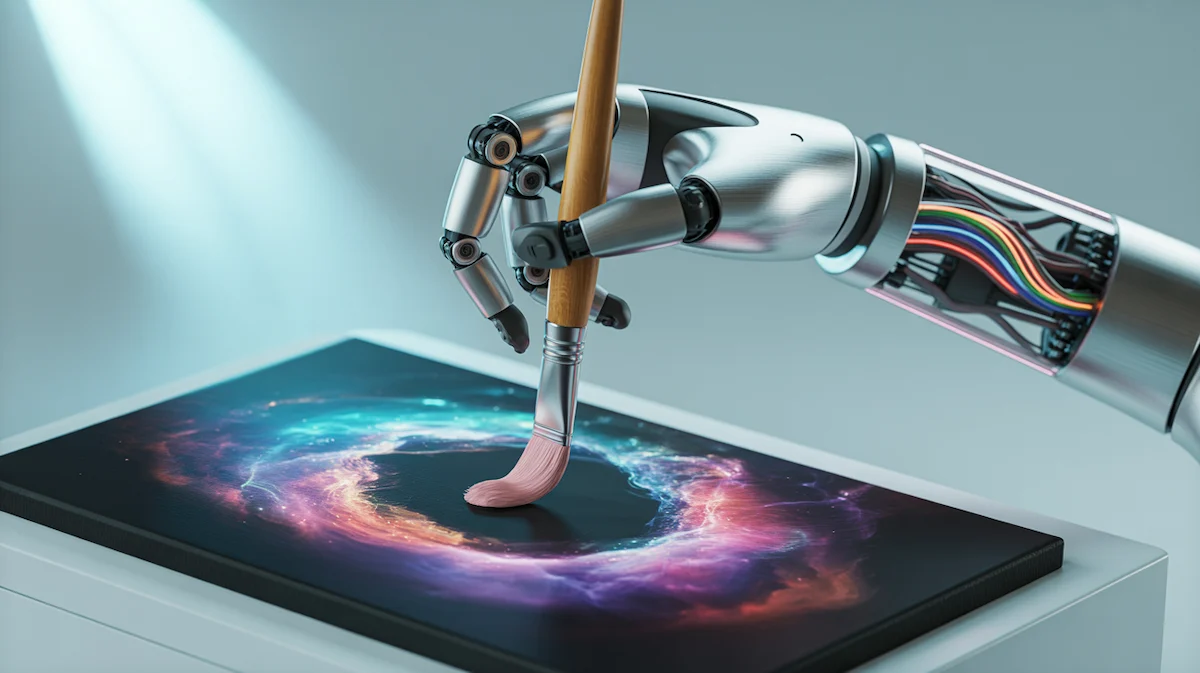
Where does this lead? We will have to see, but hopefully to a future where software is more fluid, personal, and ephemeral. Perhaps applications will generate themselves on the fly, tailored to your immediate context and mood. The distinction between user and developer blurs. We all become creators, shaping our digital environment with the power of our intent. This is more than just a new tool; it's a fundamental change in our relationship with technology, turning the cold, hard logic of the machine into a canvas for human intuition.